Home decor for a peaceful space
Peaceful Decorating for your home
Find the decorating style that is right for you. Whether you work from home and want a peaceful space to keep your workday stress free or just want to come home to some peace of mind after a hard day; here are some different options that could work for you. Explore these two unique techniques to bring peace and positivity into your home.
Some of the links in this post are paid links. This means I may receive a small commission if you make a purchase, at no additional cost to you

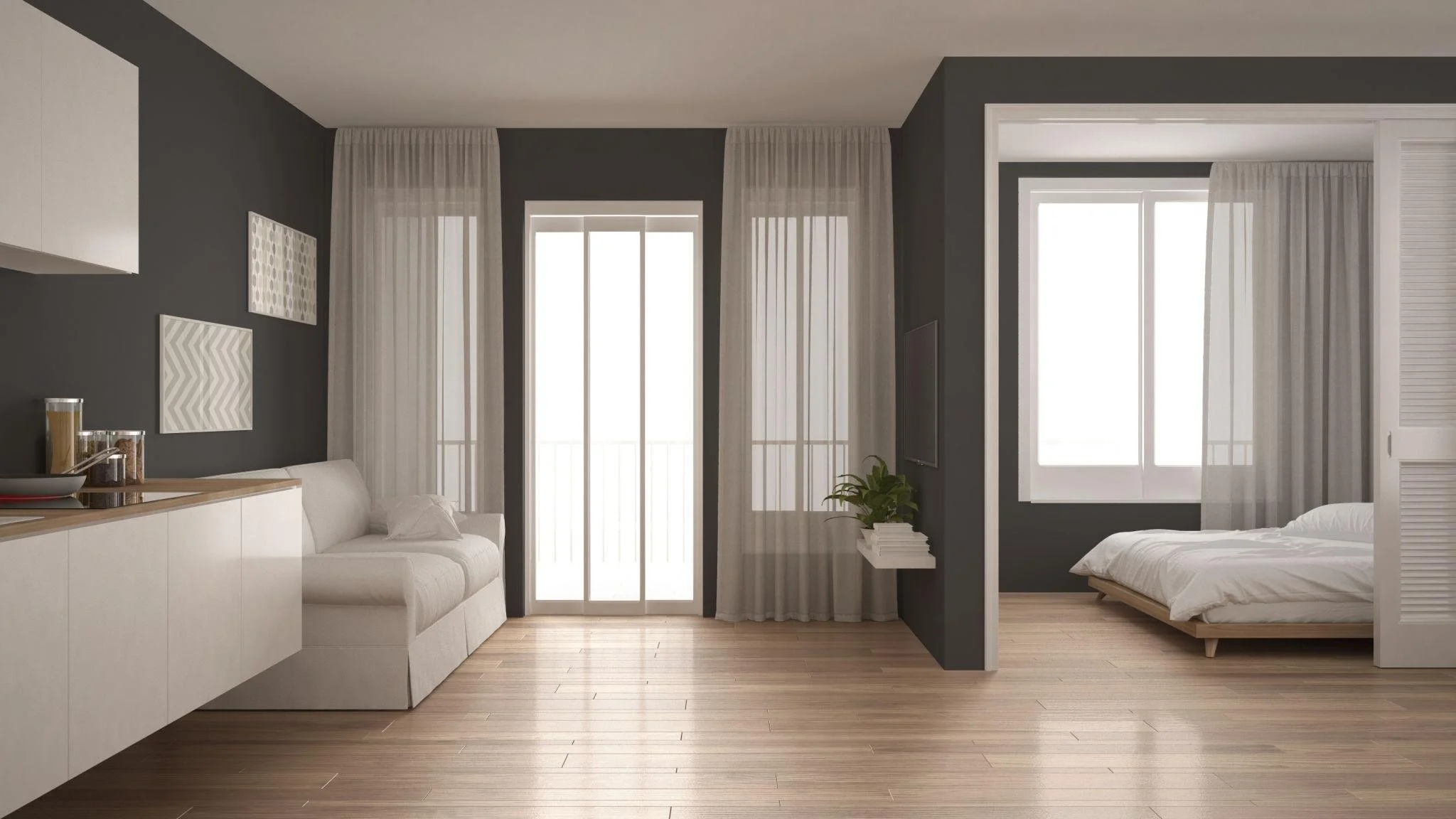
Minimalist
Being a minimalist can help remove chaos in your life. If you’re the kind of person who needs little distraction and a clear mind before making your next move, minimalism might be right for you. Having a lot on your mind can be stressful so having a bunch of clutter and unnecessary items sitting around your house can have the same effect. Having a place for everything that is out of sight can help keep your mind at ease. It gives meaning to the phrase, “out of sight, out of mind.”
What minimalism looks like in practice
Clear surfaces: Keep countertops, tables and desks mostly free of items. A few well-chosen pieces—like a plant, lamp or a single decorative object—create focus without clutter.
Intentional furniture: Choose multipurpose, proportionate furniture with clean lines. Fewer pieces arranged for easy movement make a room feel calm and spacious.
Neutral palette: Soft, muted colors reduce visual noise. Whites, beiges, greys and gentle wood tones form a soothing backdrop that highlights what matters.
Thoughtful storage: Invest in hidden storage—drawers, cabinets, baskets—so everyday items have a place out of sight. This makes tidying quick and keeps the environment orderly.
Edited belongings: Regularly assess what you own. Keep items that are useful, beautiful or meaningful; let go of duplicates and things you no longer use.
Mindset shifts that support minimalism
Prioritize function over accumulation: Before buying, ask whether an item serves a purpose or brings genuine joy.
Embrace intentional living: Make deliberate choices about how you spend time and space. A less crowded environment often leads to clearer decisions.
Practice one-in, one-out: To prevent gradual re-cluttering, consider removing an item each time you bring something new into your home.
Set small routines: Simple daily habits—tidying for 10 minutes, clearing a counter each evening—keep clutter from building up and preserve mental calm.
Benefits you’ll likely notice
Reduced stress: Fewer possessions and distractions make it easier to relax and focus.
Greater clarity: A simplified environment supports clearer thinking and better decision-making.
More time: Less time spent searching for things or cleaning allows more space for meaningful activities.
Financial freedom: Buying less leads to savings and more intentional spending.
Getting started (easy first steps)
Tackle one zone: Begin with a dresser drawer, a kitchen counter or a bedroom closet—small wins build momentum.
Set a timer: Spend 15–30 minutes decluttering; decisions feel easier when time-limited.
Keep a donate box: Place items you no longer need in a box and drop it off when full.
Limit surfaces: Choose one or two display areas and keep other surfaces clear.
Entry way
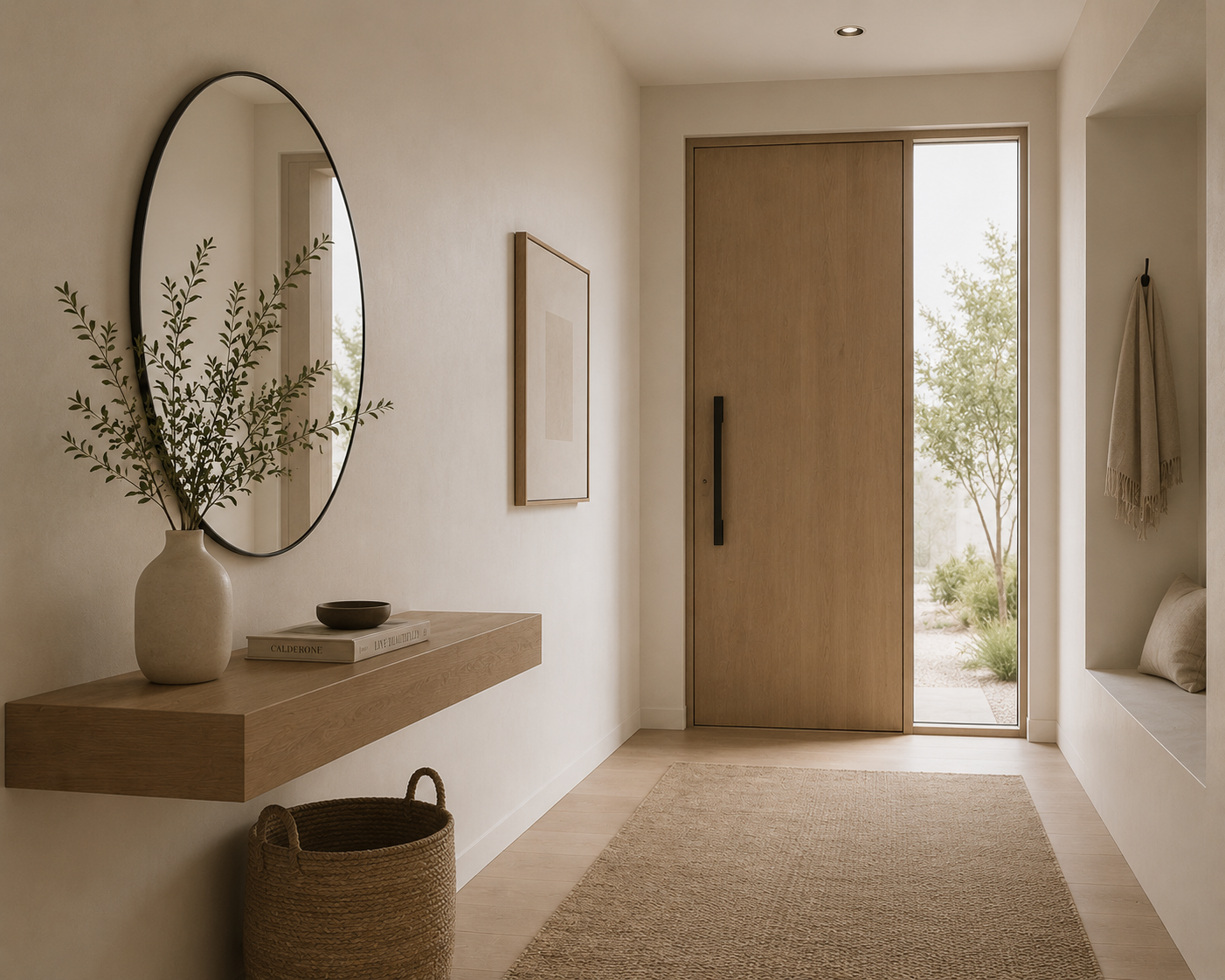
Slim console table: a narrow console with one shallow drawer keeps mail and keys out of sight while maintaining flow. Choose a light wood or painted finish to blend with walls.
Bench with storage: a simple bench with a lift-top or baskets underneath provides seating and a defined place to stash shoes or bags.
Mirror: a single wall mirror sized to the space expands light and makes the area feel calm. Opt for an unembellished frame or frameless glass.
Flooring: keep mats subtle and slim. A low-profile runner or natural-fiber mat works well to define the zone without drawing attention.
Living Room
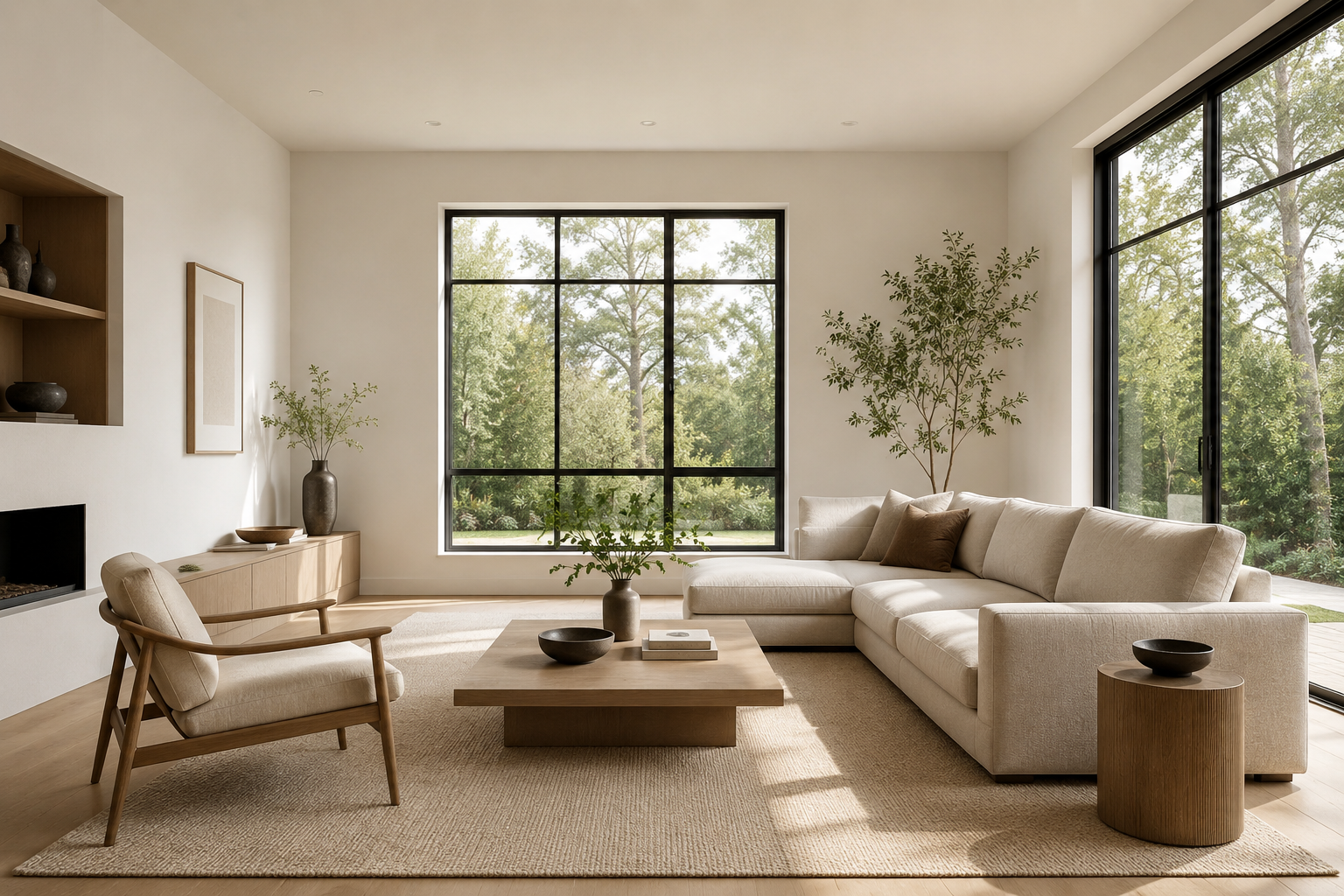
Color palette: Choose a neutral base—soft whites, warm beiges, or light grays—with one muted accent color (olive, dusty blue, or charcoal). Keep tones consistent to maintain visual calm.
Furniture: Select a low-profile sofa with clean lines and one or two streamlined chairs. Opt for multipurpose pieces (storage ottoman, coffee table with a shelf). Limit seating to what you use regularly.
Surfaces: Keep tabletops clutter-free. Display only 2–3 purposeful items (a simple vase, a small stack of books, one sculptural object).
Lighting: Layer light with a single overhead fixture and one or two task lamps for reading. Choose fixtures with simple silhouettes.
Storage: Use hidden storage (closed cabinets, baskets) to maintain visual simplicity. Keep electronics and cords concealed.
Kitchen
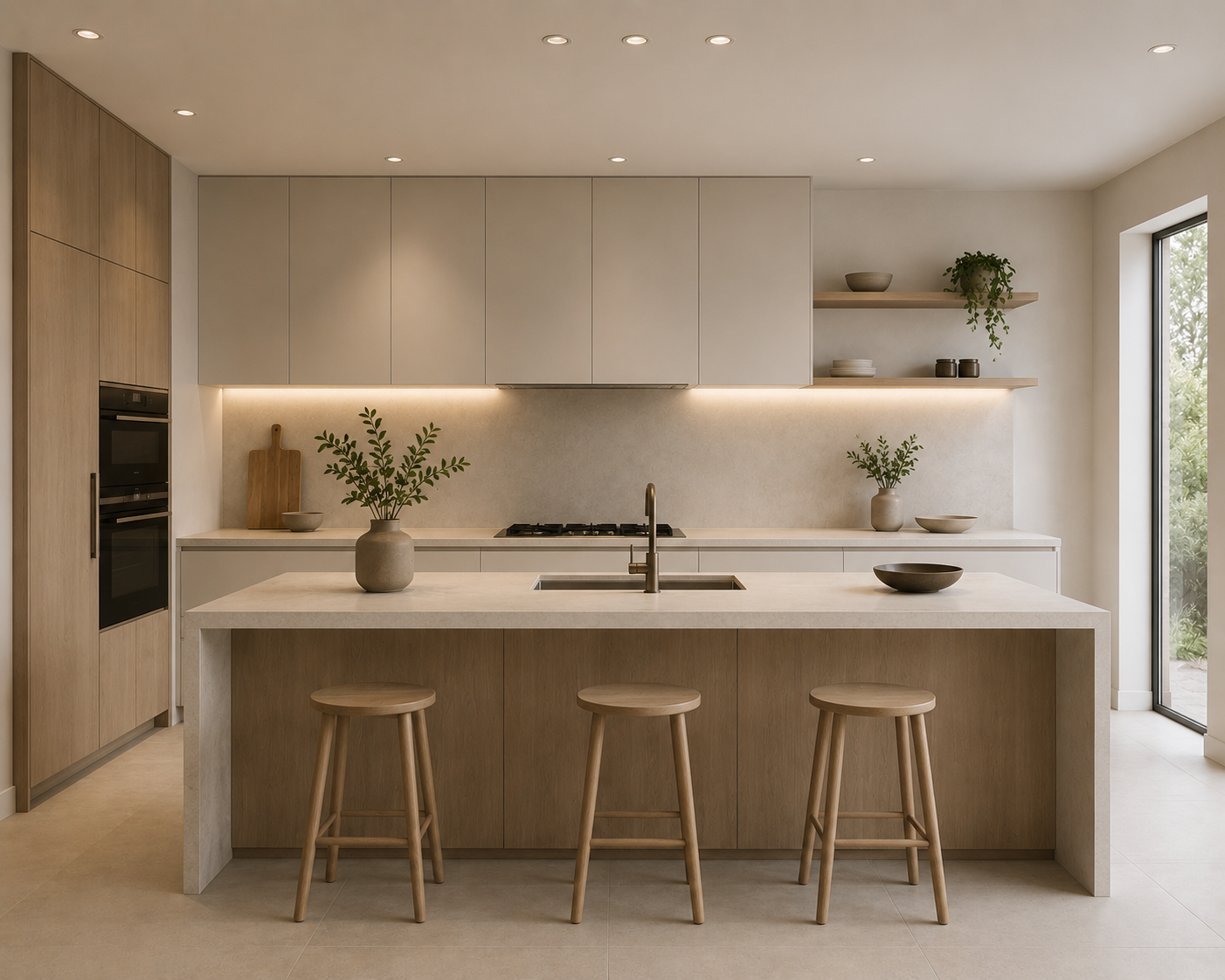
Cabinets and hardware: Use flat-panel cabinets or handleless styles for a seamless look. If using hardware, choose streamlined metal finishes (brushed nickel, matte black).
Countertops: Keep counters mostly clear—leave out only daily essentials (coffee maker, knife block). Store small appliances in cabinets when not in use.
Open shelving: If used, display a minimal selection of matching dishes or glassware—group items by type and color.
Functional layout: Prioritize a clutter-free workflow. Use drawer organizers and pull-out pantry systems.
Bedroom
Bed and bedding: Invest in a simple platform bed or streamlined frame. Use high-quality sheets in solid colors and layer up to two pillows plus one accent cushion. Limit decorative pillows.
Nightstands: Keep essentials only—lamp, book, and maybe a small tray for glasses or a watch. Use drawers for other items.
Wardrobe: Favor built-in or modular closets with organized storage to minimize visible clothing. Adopt a capsule wardrobe to reduce volume.
Surfaces: Clear dressers of excess items; display one framed photo or a small plant.
Window treatments: Simple shades or light linen curtains without heavy embellishment.
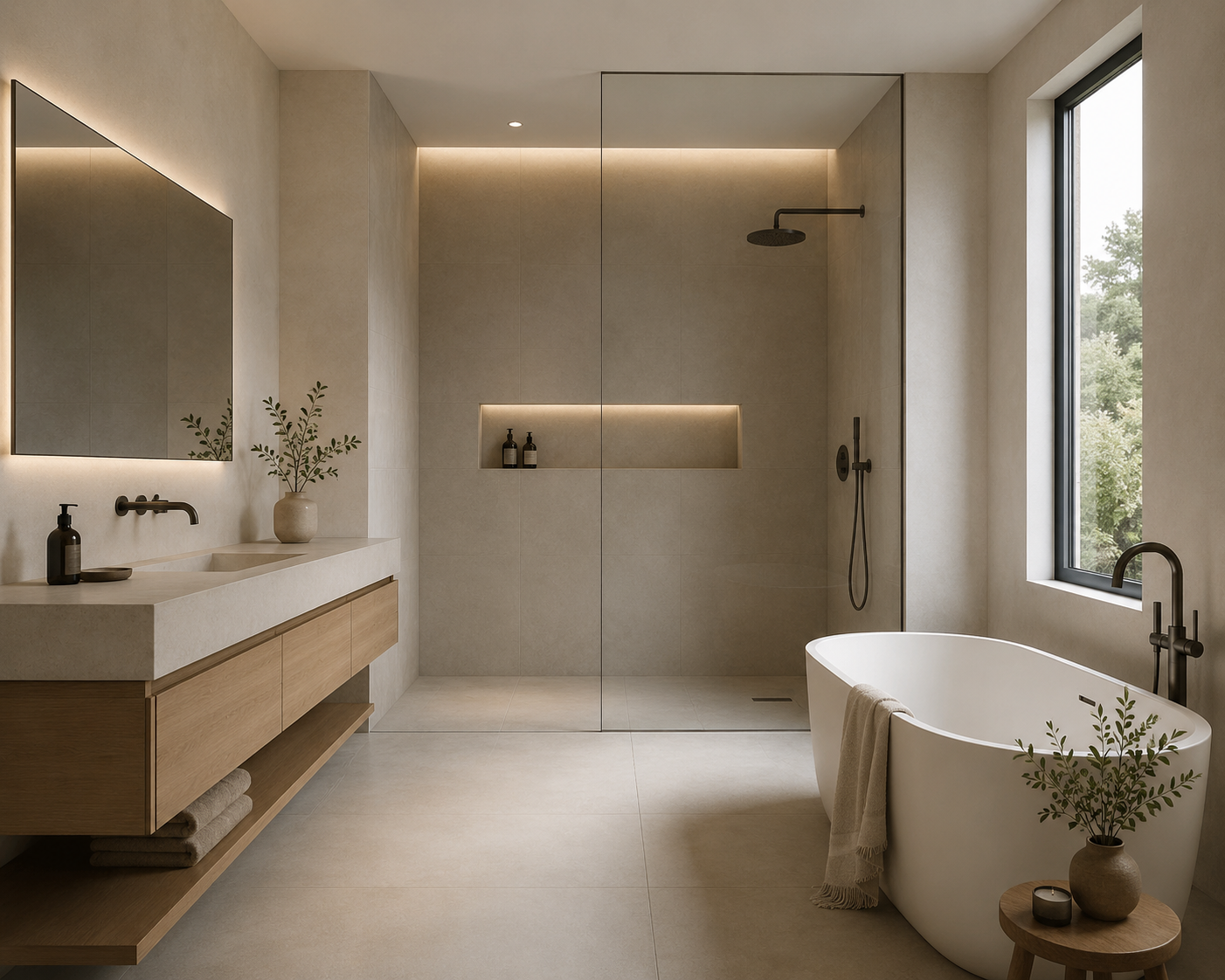
Bathroom
Fixtures and finishes: Choose simple, streamlined fixtures. Neutral tiles and matte hardware create a restrained look.
Countertops: Store toiletries in drawers or simple containers. Keep counters clear of products.
Towels and textiles: Use two-tone or solid towels in neutral shades. Fold or hang neatly.
Décor: One small plant or a minimalist soap dispenser is enough.
Minimalism isn’t about perfection or living with the bare minimum; it’s about creating a space and routine that reduce chaos and support a calmer, more focused life. Adjust the approach to fit your needs—practical, peaceful living is the goal.

Biophilic
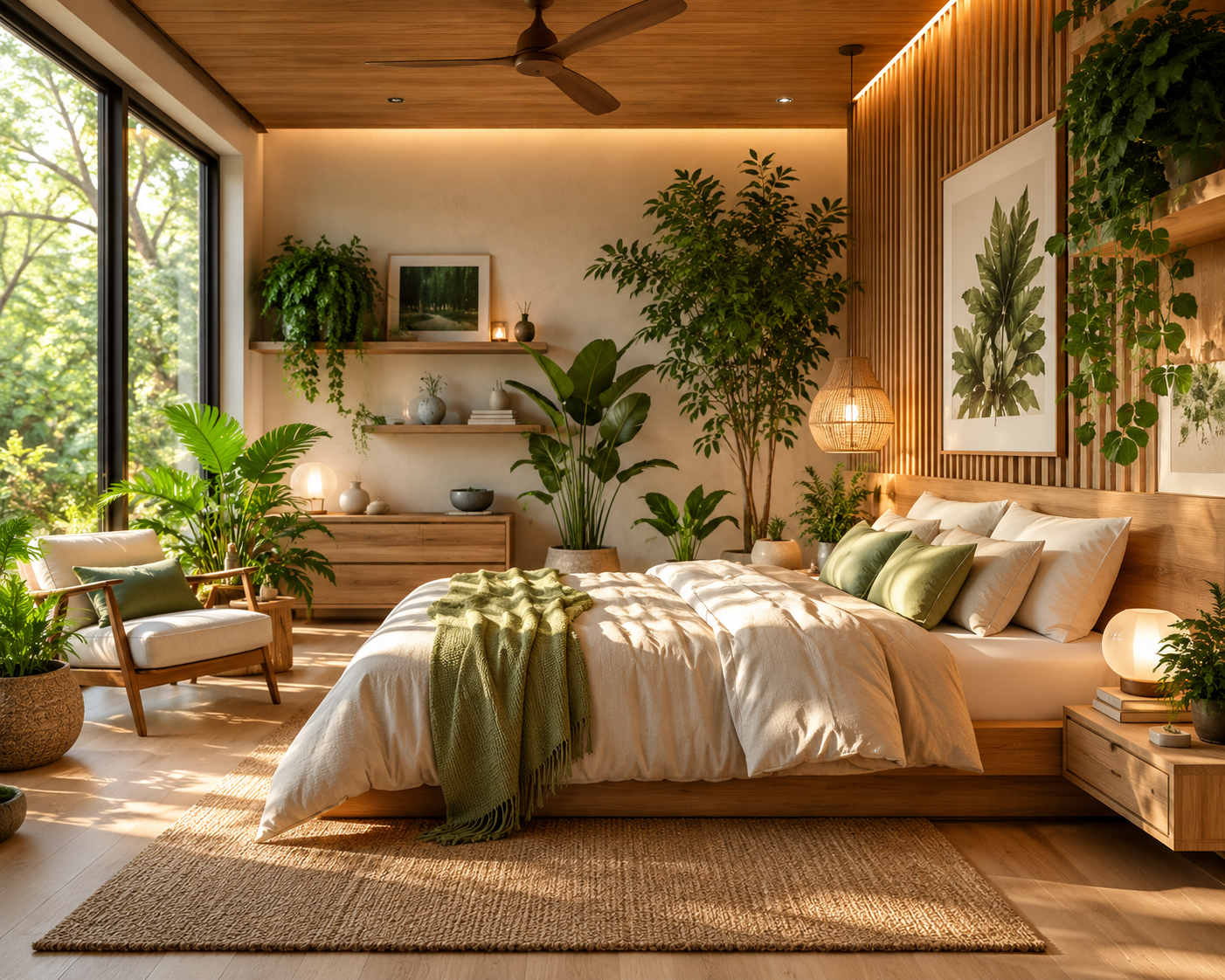
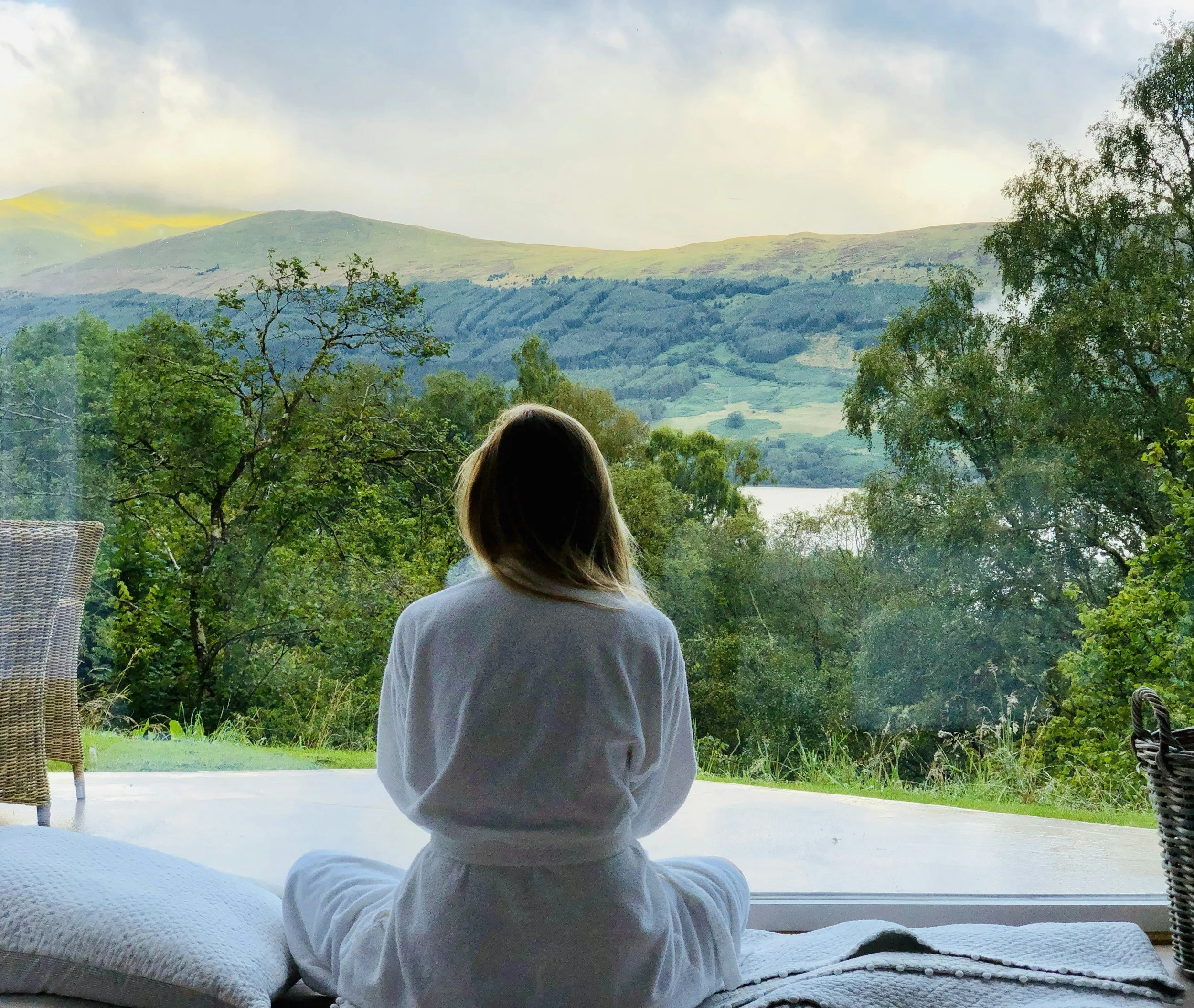
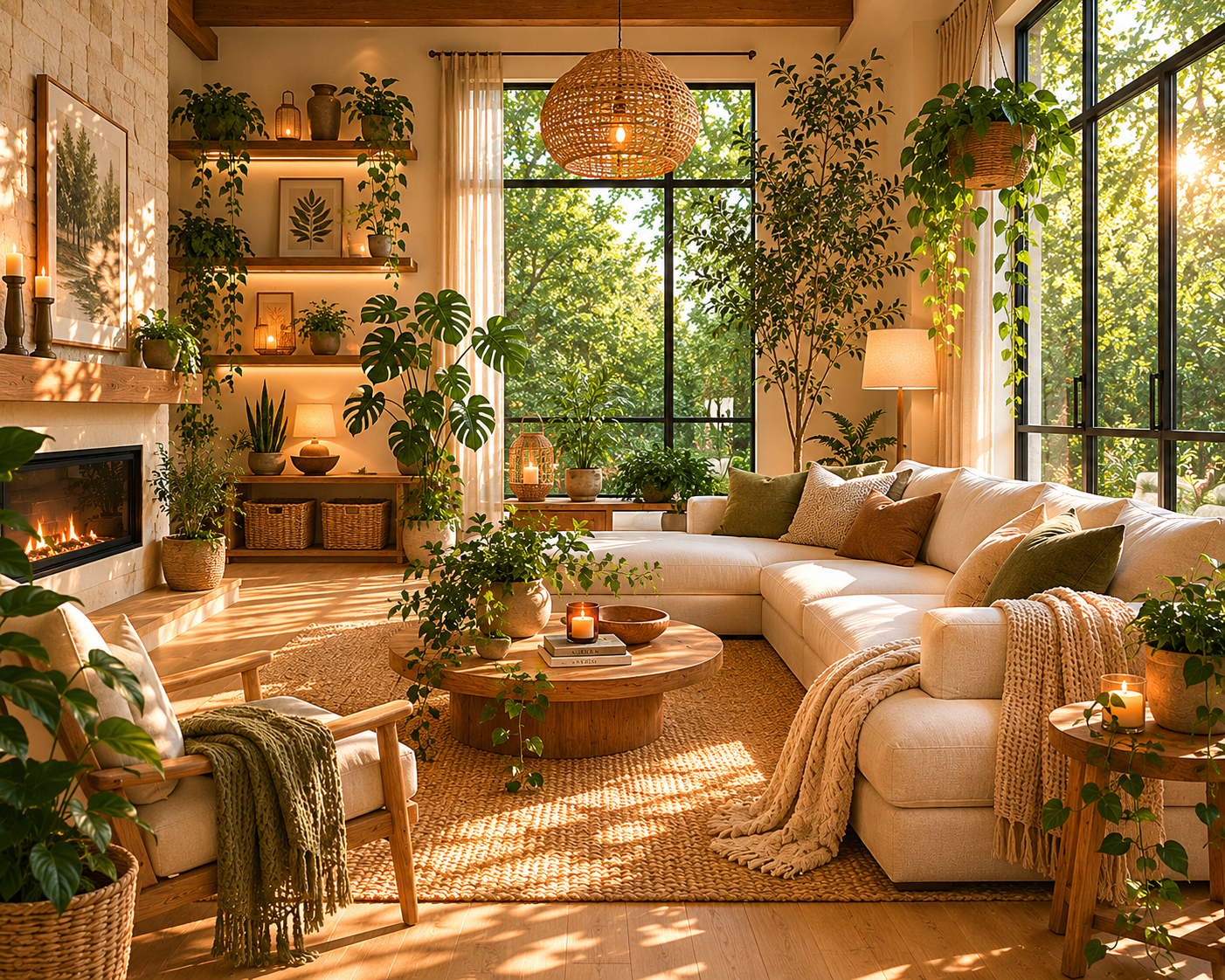
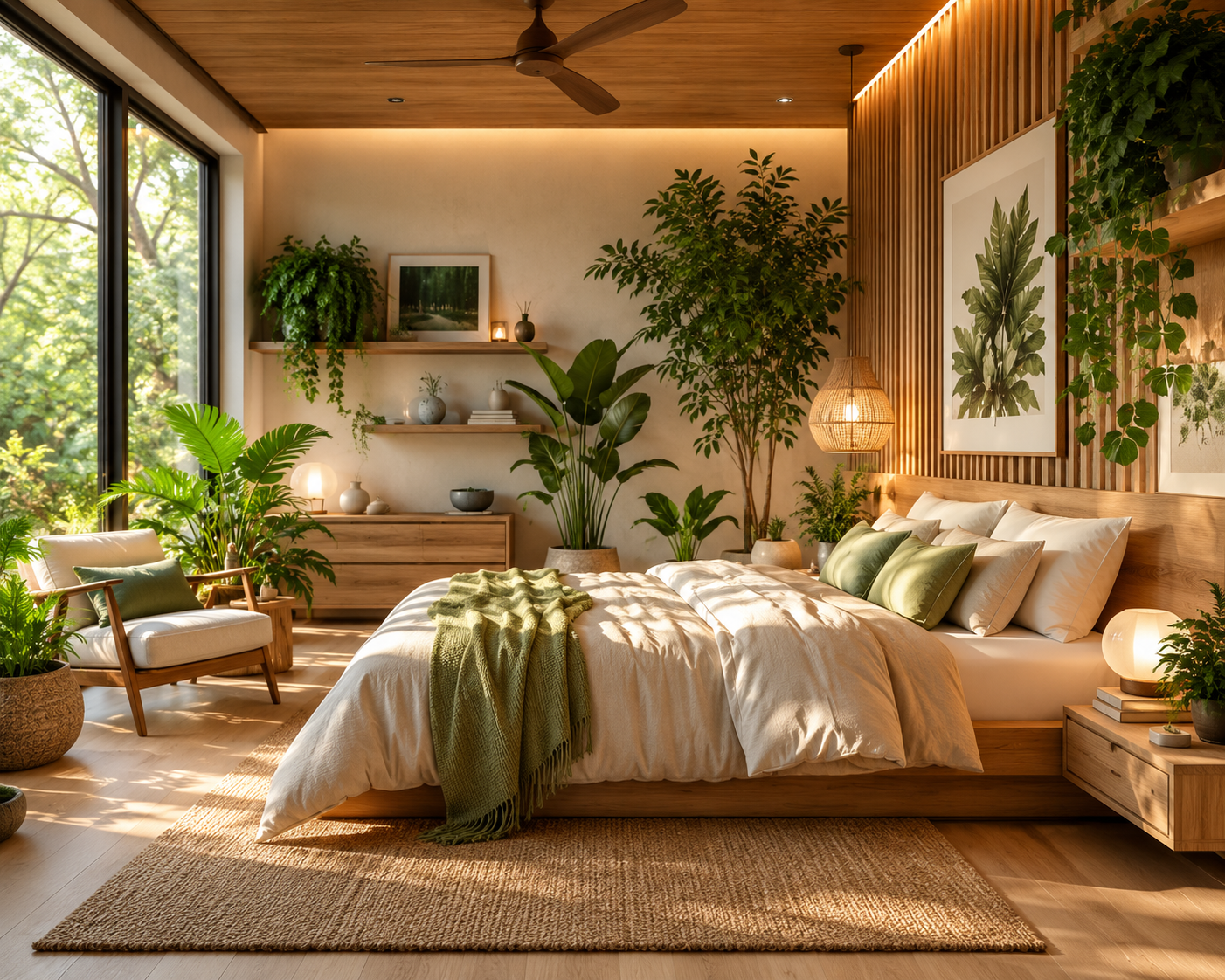
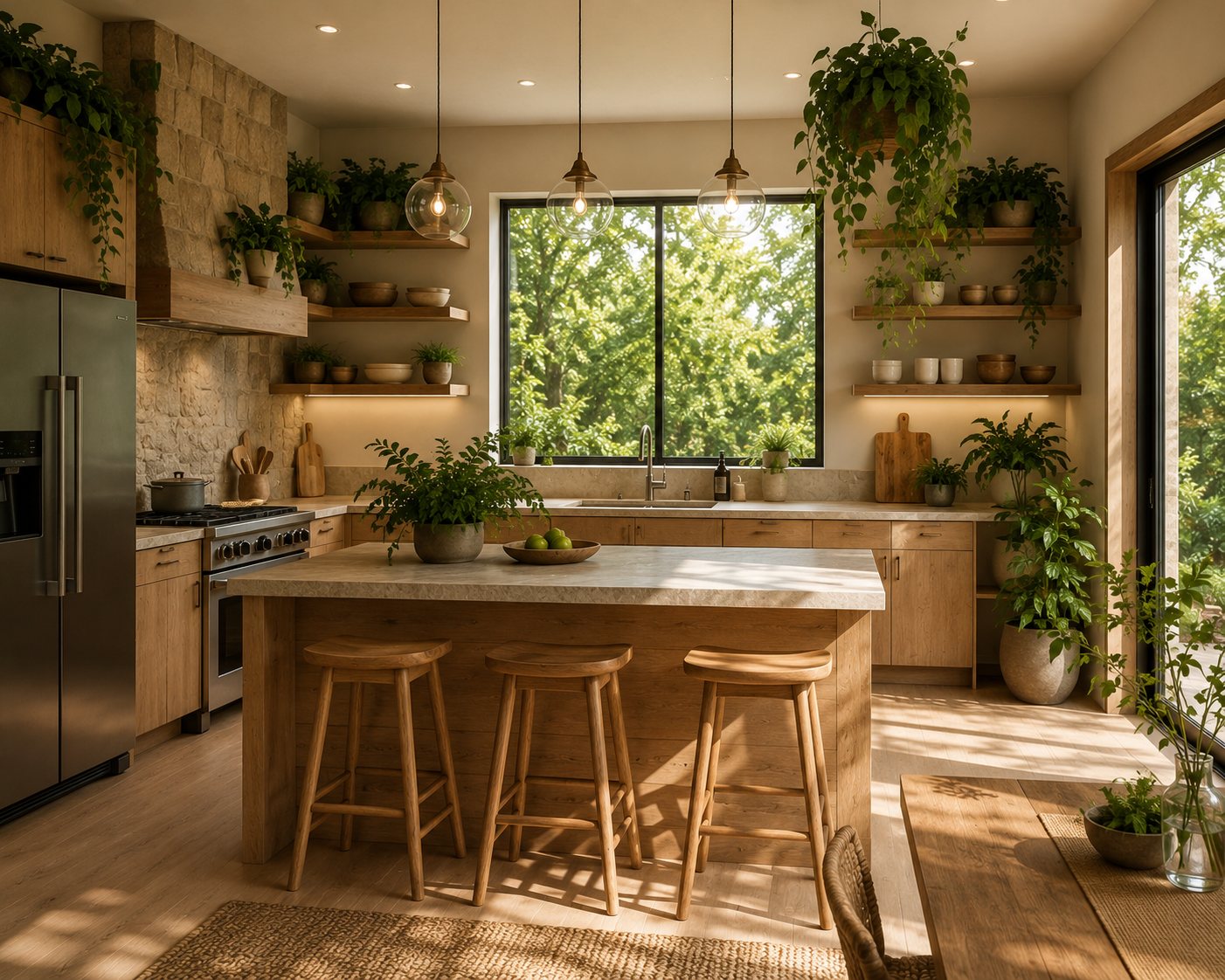
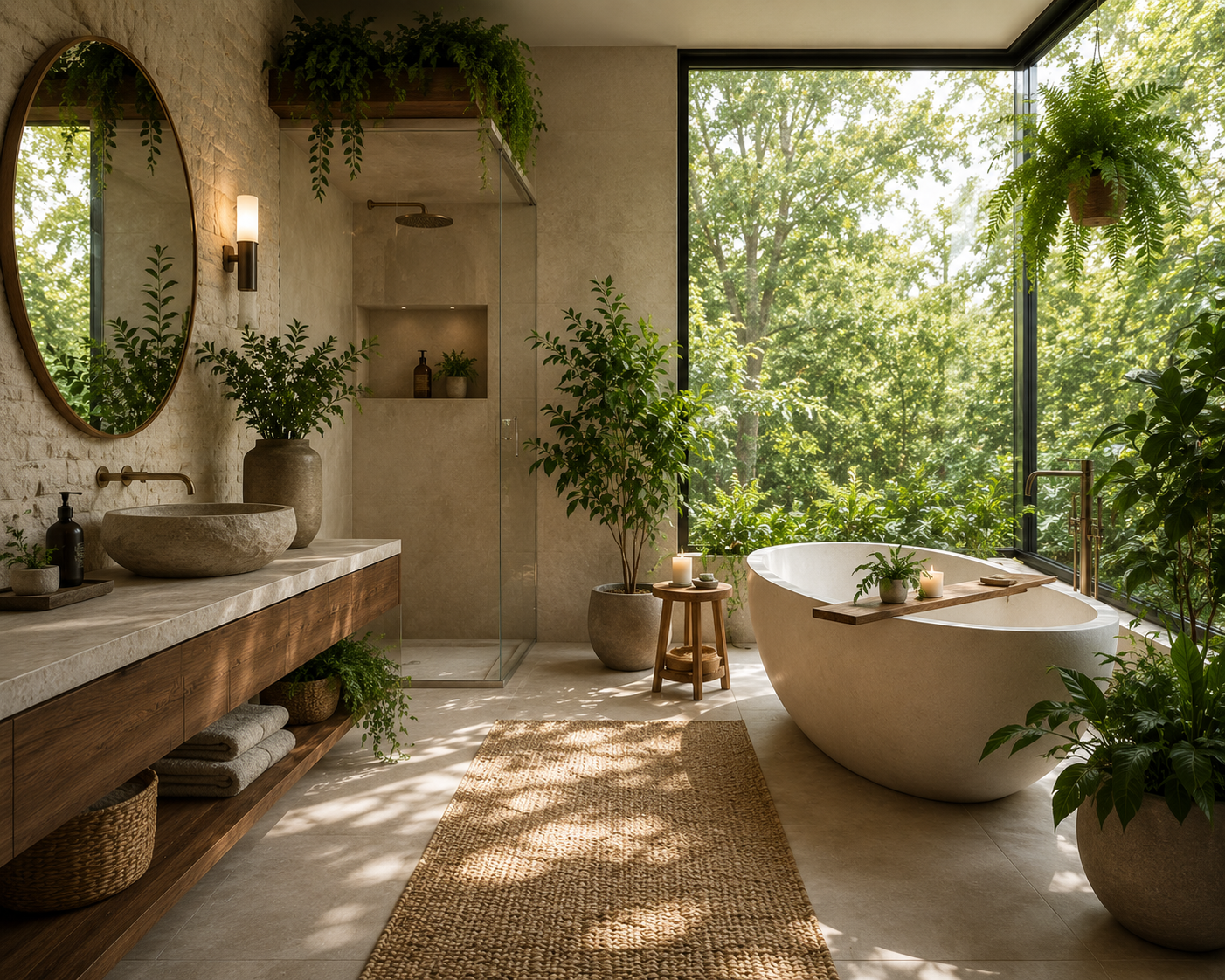
This unique style of decorating helps keep you connected to nature and all the calming elements it has to offer. Connecting with nature has been known to improve mental health and lower stress hormones. Incorporating nature into your home decor can encourage a peaceful state of mind. Biophilic design involves a lot of plants, natural light, and earthy tones. If you enjoy taking care of your plants as a stress reducer and feel completely at ease when out in nature, then using biophilic design would be a great way for you to create a peaceful space.
Benefits you will likely notice:
Natural light, greenery, and earthy colors can help create a more positive and uplifting environment. Plants and natural view may help increase concentration and mental clarity. Encourages mindfulness, reflection, and a slower pace of living.
Key elements to include
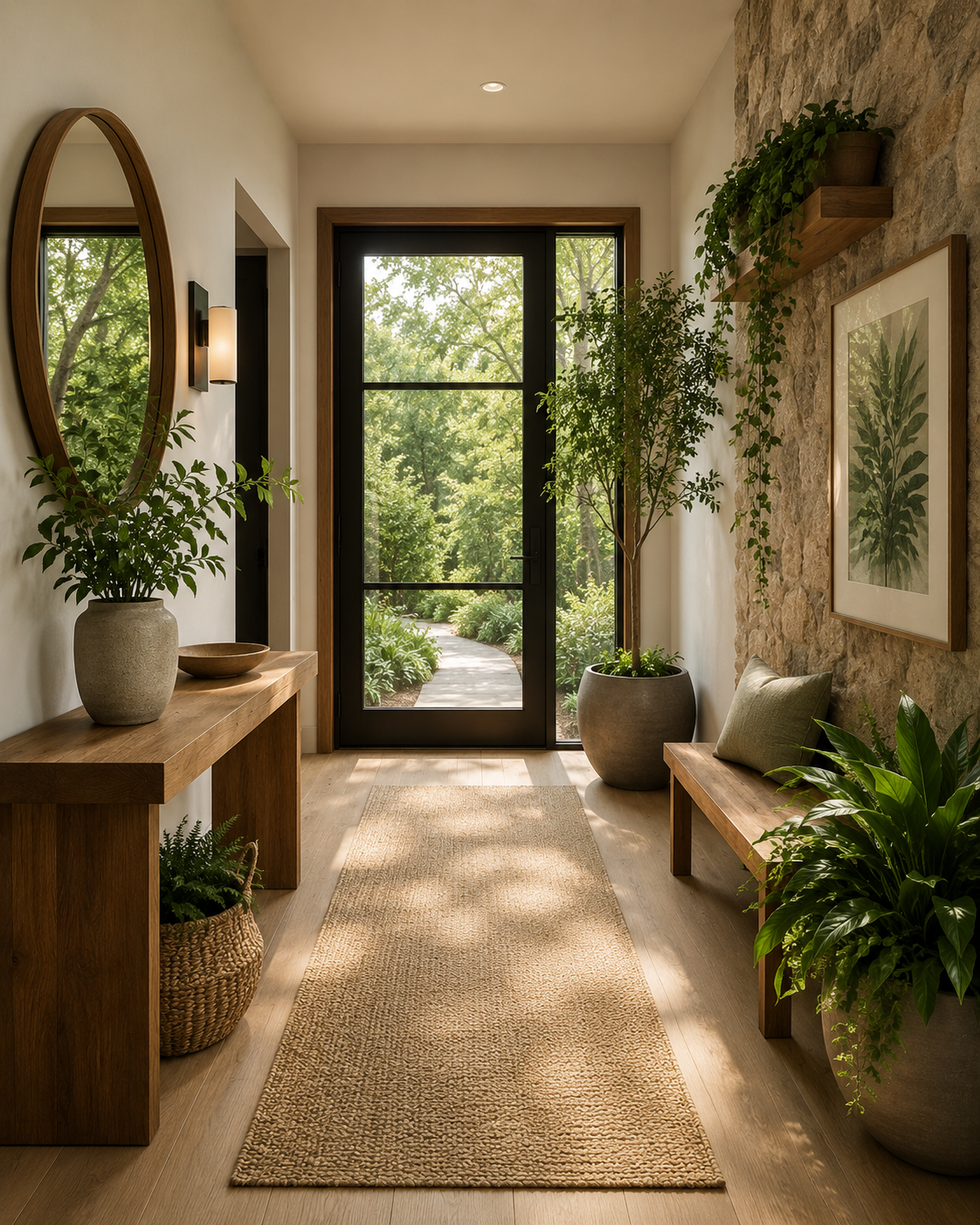
Wood-framed artwork and mirrors: Choose frames in oak, walnut, or reclaimed wood with simple profiles. Position them at eye level to create focal points that feel warm rather than formal.
Benches and seating: A wooden bench—plain or with a subtle live edge—can function as seating, a console, or a plant stand. Add a thin cushion in linen or cotton for comfort while keeping the look uncluttered.
Textiles: Use rugs, throw pillows, and curtains in muted greens, terracotta, and sand tones. Natural fibers like wool, cotton, and jute enhance the organic effect and provide a soft contrast to harder wood surfaces.
Plants and greenery: Potted ferns, snake plants, or a small fiddle-leaf fig add life and mimic a park environment. Use simple terracotta or unglazed ceramic pots to maintain the rustic aesthetic.
Stone and metal accents: Slate coasters, a stone vase, or matte black iron hardware add subtle contrast and keep the palette grounded without breaking the natural feel.
Room-by-room ideas
Entryway: This is going to be the first room you see when coming home and you want it to be as peaceful and welcoming as possible. Start by placing a wooden bench with a woven basket underneath for shoes and a wood-framed mirror above. Add a coat hook or peg rail in matte black for a practical rustic touch. Then of course add your plants of choice for your biophilic design.
Living room: Anchor the seating area with a neutral rug, a reclaimed-wood coffee table (doesn’t have to be actual “reclaimed wood”), and a pair of wood-framed landscape prints. One great way to get some landscaping pictures to hang is to go outside and take your own pictures. It is a great way to relax and get some fresh air. Scatter a few green plants for vertical interest.
Bedroom: Use a wooden bench at the foot of the bed as seating and a place to fold blankets. Keep bedding in soft, earthy tones and add a linen throw for texture. The bedroom is where it can get tricky. I’m one of those that likes the sun to hit my face when I’m waking up but I like the curtains drawn at night for privacy. This is an easy fix with an automatic curtain opener.
Kitchen: Natural wood, stone, and clay with matte and soft finishes throughout the kitchen give it a gentle visual field. Terracotta backsplashes and countertops introduce grounding, low-glare surfaces that age gracefully. A small breakfast bar or a cozy nook with wooden stools encourages lingering and social connection.
Bathroom: Include live plants suited for humidity and low light with stone-and-wood vanity: Pair a live-edge wood countertop with a stone vessel sink. Seal wood appropriately for moisture resistance while preserving texture. Sensory balance: Combine visual nature cues with natural scents (e.g., eucalyptus, lemongrass), tactile materials, and soft ambient lighting to engage multiple senses. Freestanding tub with greenery: Position a freestanding tub near a window or under a skylight and surround it with potted palms or ferns. A teak bath mat and bamboo stool complete the spa feel.
Whatever style—minimalist or biophilic—fits your life, cultivating a peaceful, healthy mind is the real goal. Design should support how you feel and function every day.
Combining minimalist and biophilic elements
Keep plantings curated: Choose a few thoughtfully placed plants rather than crowding every surface.
Pair simple furniture with natural materials: A streamlined wood table or linen sofa blends both approaches seamlessly.
Let nature be the focal point: Minimal decor directs attention to plants, light, or a garden view, amplifying their calming effect.
Use neutral palettes with natural accents: Whites, beiges, and soft greens maintain minimal calm while adding biophilic warmth.
Balance open space and sensory interest: Preserve breathing room while introducing textured, nature-inspired elements.
Design is a tool, not a rule. Whether you favor the restraint of minimalism, the restorative power of biophilia, or a thoughtful mix, aim for a home that supports rest, clarity, and wellbeing. Your living space should help cultivate a peaceful and healthy mind—choose elements that actually make you feel better.